

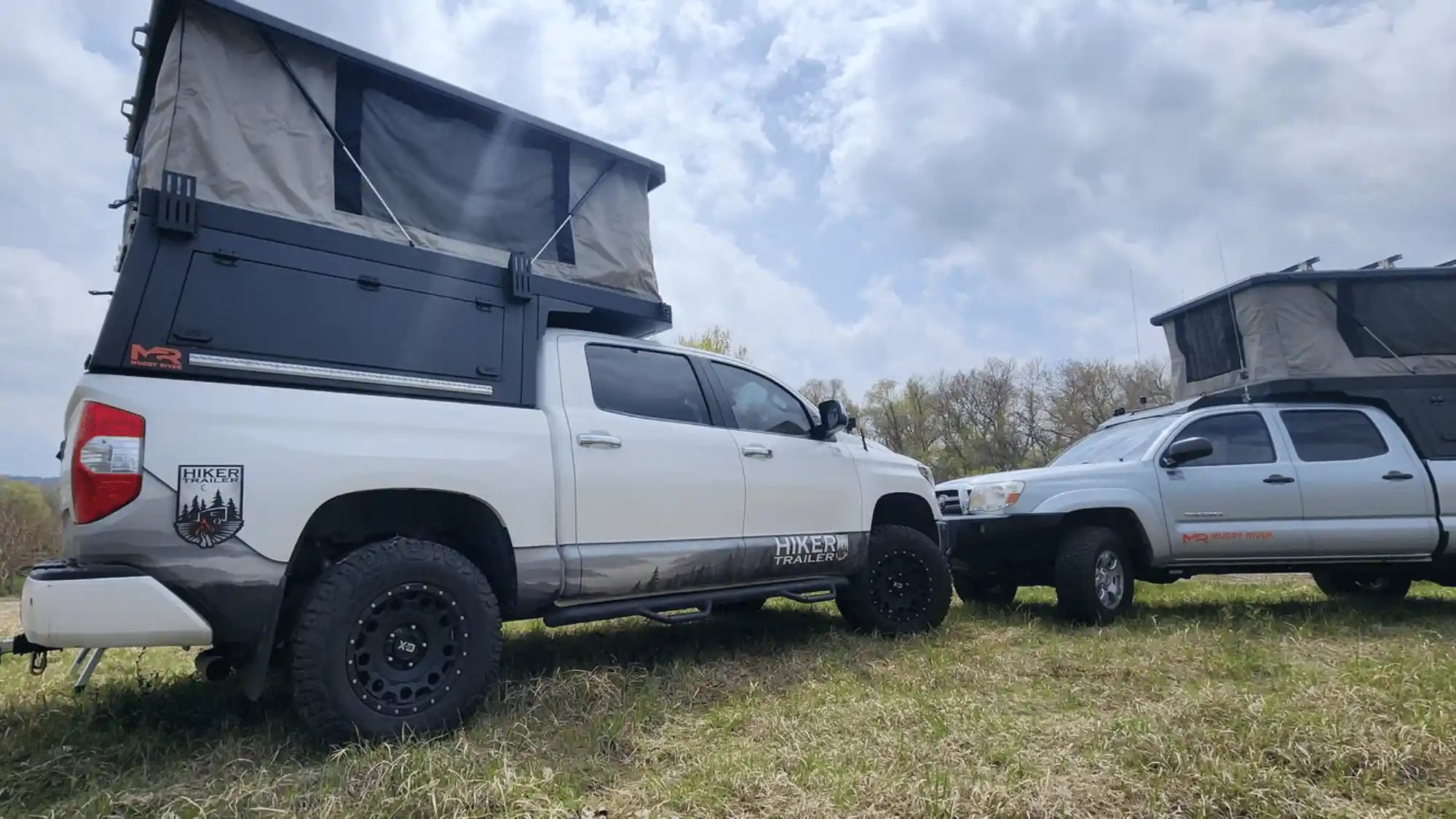
An overlanding camper shell is one of the most practical ways to turn a standard pickup into a capable off grid rig. Whether you are navigating Colorado mountain passes, exploring Utah desert trails, or camping deep in the forests of the Pacific Northwest, your setup needs to be reliable, lightweight, and built for real-world use.
The challenge is that not all camper shells are designed for overlanding. Many are built for basic cargo protection, not rugged terrain or extended travel. That is why choosing the right system matters. Modern modular designs like the Eddy Camper are changing how people approach overlanding by offering flexibility and durability without unnecessary weight.
This guide breaks down what actually matters so you can build a setup that performs when it counts.
Also Read
TL;DR
The best overlanding camper shell setups focus on durability, lightweight construction, and modular design. Aluminum materials, strong roof load ratings, and efficient storage systems are essential for off road travel and long-term reliability.
Key Takeaways
-
Not all camper shells are built for overlanding
-
Lightweight designs improve off road handling and safety
-
Aluminum construction offers superior durability
-
Modular setups allow flexibility over time
-
Storage and organization directly impact trip success
What Is an Overlanding Camper Shell
An overlanding camper shell is a truck bed enclosure designed specifically for extended travel in remote areas. Unlike standard truck caps, these systems are built to handle rough terrain, changing weather conditions, and the need for efficient storage and sleeping space.
How It Differs From Standard Camper Shells
Standard camper shells are typically designed for:
-
Protecting cargo
-
Improving aerodynamics
-
Basic weather coverage
Overlanding camper shells are built for:
-
Off road durability
-
Integrated sleeping setups
-
Gear storage and organization
-
Access to equipment in remote environments
This difference becomes critical when you leave paved roads and rely on your setup for multiple days at a time.
Key Features of an Overlanding Camper Shell
Not all camper shells perform equally in demanding environments. The best setups share a few essential features.
Roof Load Capacity and Rack Systems
A strong roof system allows you to carry:
-
Recovery gear
-
Storage boxes
-
Solar panels
Without proper load ratings, adding gear can compromise safety and structural integrity.
Storage and Interior Organization
Efficient storage is essential for overlanding. A well-designed interior should include:
-
Easy access to gear
-
Dedicated storage zones
-
Space for sleeping and movement
Poor organization leads to wasted time and frustration during trips.
Ventilation and Sleeping Setup
Proper airflow prevents condensation and improves comfort. Look for:
-
Vent systems
-
Window access
-
Space for a sleeping platform
Comfort matters more than most people expect, especially on multi-day trips.

Why Material Choice Matters for Overlanding
Material selection affects durability, weight, and long-term performance.
Durability in Harsh Terrain
Off road travel exposes your camper shell to:
-
Vibration from washboard roads
-
Impact from debris
-
Constant exposure to weather
Aluminum handles these conditions better than most alternatives due to its strength and corrosion resistance.
Weight and Vehicle Performance
Keeping weight down improves:
-
Fuel efficiency
-
Suspension performance
-
Handling on uneven terrain
According to the National Park Service , proper planning and equipment selection are critical for safe backcountry travel.
A lightweight camper shell supports safer and more efficient travel.
Building a Modular Overlanding Setup
One of the biggest advantages of modern camper systems is modularity. Instead of committing to a fixed build, you can adapt your setup over time.
A modular approach allows you to:
-
Add features as needed
-
Adjust for different types of trips
-
Avoid replacing your entire system
Systems like the Eddy Camper are designed with this flexibility in mind, making them a practical choice for evolving needs.
Adding Accessories Over Time
As your setup grows, you can add:
-
Solar panels for power
-
Lighting systems for camp
-
Storage upgrades for gear
This approach spreads cost over time and keeps your system adaptable.

Overlanding Camper Shell vs Other Setups
There are multiple ways to build an overlanding rig, but each comes with trade-offs.
Pros of Camper Shell Setups
-
Lower profile improves stability
-
Better fuel efficiency compared to larger builds
-
Simpler and easier to maintain
Limitations to Consider
-
Limited interior space
-
Requires thoughtful organization
-
May need customization for comfort
Compared to vans or large campers, a shell-based setup offers a balance of simplicity and capability.
Common Mistakes When Choosing an Overlanding Camper Shell
Many first-time buyers overlook key factors.
Buying Based on Appearance
A clean design does not guarantee durability or performance.
Ignoring Payload Limits
Overloading your truck reduces safety and increases wear.
Choosing Non-Modular Systems
Fixed systems limit your ability to adapt in the future.
Avoiding these mistakes can save time, money, and frustration.
How to Choose the Right Overlanding Camper Shell
Choosing the right setup comes down to understanding your needs.
-
Define where you plan to travel
-
Match the shell weight to your truck
-
Prioritize durability over unnecessary features
-
Choose a system that can evolve over time
By focusing on these steps, you can build a setup that supports your lifestyle rather than limiting it.
What Makes a Great Overlanding Setup
If you are looking for a quick summary, focus on these essentials:
-
Lightweight design improves off road performance
-
Durable materials prevent long-term failure
-
Modular systems allow upgrades over time
-
Smart storage improves efficiency and comfort
Conclusion
Choosing the right overlanding camper shell is about more than appearance or brand recognition. It is about building a system that performs in real conditions, supports your travel style, and adapts over time.
Lightweight materials, strong construction, and modular design are the key factors that separate average setups from reliable ones. Whether you are exploring mountain trails or desert backroads, the right camper shell gives you the confidence to go further and stay longer.

FAQs
What is the best overlanding camper shell?
The best option depends on your needs, but lightweight aluminum and modular designs are often the most versatile.
Are aluminum camper shells better for off road use?
Yes, aluminum offers strength, durability, and corrosion resistance, making it ideal for rugged environments.
How much should an overlanding setup weigh?
It should stay within your truck’s payload capacity to maintain safety and performance.
Can you sleep comfortably in a camper shell?
Yes, with proper setup and ventilation, camper shells can provide comfortable sleeping conditions.
What gear is essential for overlanding?
Basic essentials include recovery gear, water storage, power solutions, and efficient storage systems.
About the Author
This article was created for Muddy River Manufacturing, a veteran-owned company specializing in modular aluminum camper systems built for real-world use. With over 15 years of experience, Muddy River designs products for hunters, anglers, contractors, and overlanders who depend on durability and performance in every environment.

Leave a comment
This site is protected by hCaptcha and the hCaptcha Privacy Policy and Terms of Service apply.