
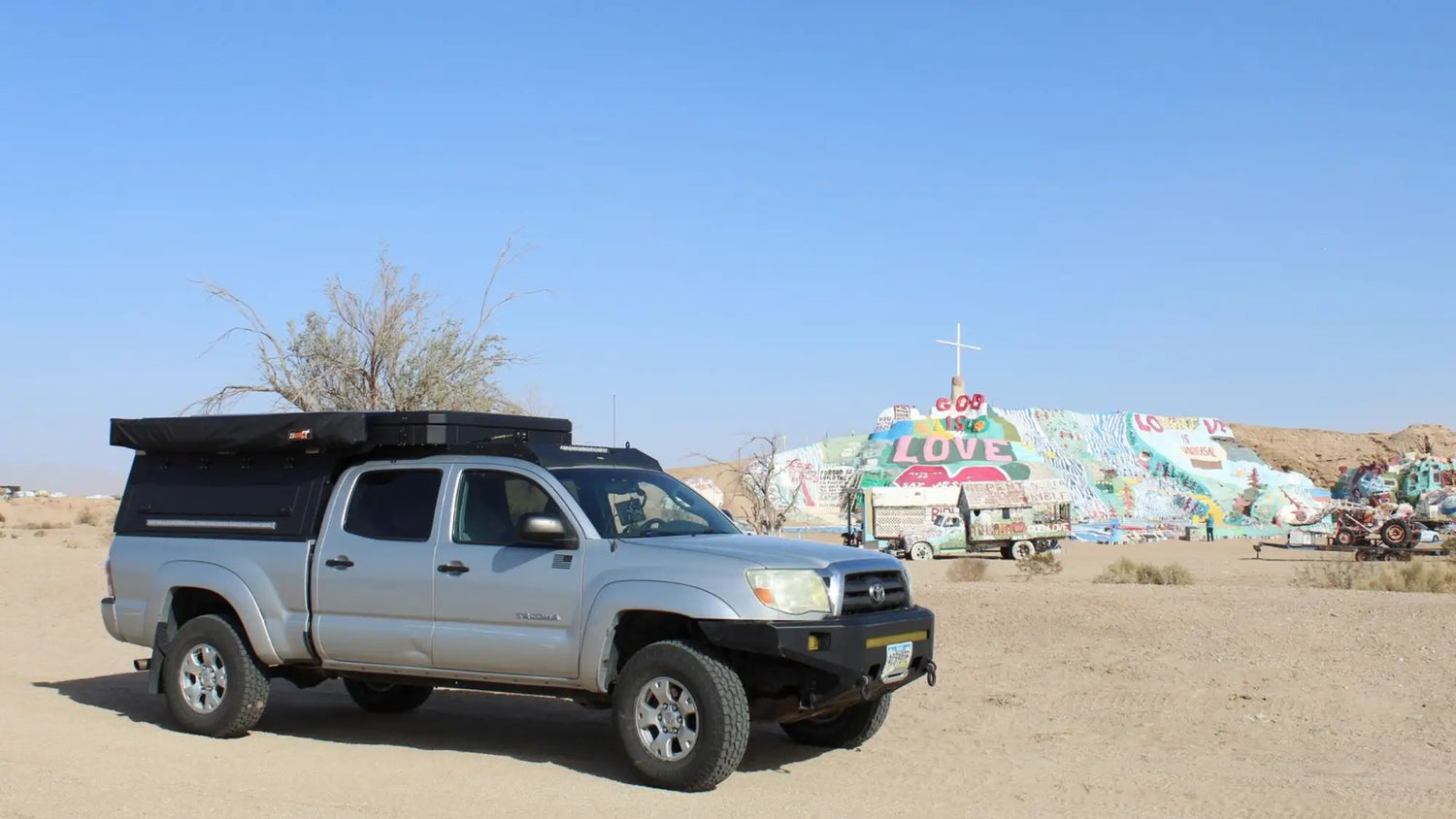
Truck camping continues to grow across the United States, driven in part by increased outdoor participation and a shift toward simpler, more flexible ways of traveling.
The Outdoor Industry Association reports that outdoor recreation participation has reached historic highs, with more than half of Americans engaging in outdoor activities each year. Camping remains one of the strongest categories within that growth curve.
With that rising interest, many truck owners are deciding between two primary shelter systems: truck toppers and rooftop tents. Both transform your truck into a capable overland rig, but each comes with very different benefits, limitations, and long term considerations.
Whether you spend weekends running forest roads, scouting for elk, or fishing remote waters, choosing the right shelter setup can dramatically affect your comfort, mobility, and overall trip experience. This guide breaks down each system so you can pick the right one for your needs.
Also Read
TL;DR
Choose a truck topper if you value durability, insulation, weather protection, and secure storage. Choose a rooftop tent if you want an elevated tent-like experience with lots of ventilation for fair weather camping. Toppers are better for four season trips, hunters, and anglers. Rooftop tents are better for weekend overlanders and mild climates.
Key Takeaways
-
Truck toppers provide hard sided protection, enclosed storage, and four season durability.
-
Rooftop tents offer full ventilation, great views, and a more traditional camping feel above the ground.
-
Truck toppers handle rough weather better and have fewer moving parts.
-
Rooftop tents raise your center of gravity and require climbing a ladder for entry.
-
The right choice depends on how often you camp, where you travel, and how much weather you encounter.
Quick Decision Scorecard (Pick the Setup That Fits Your Reality)
Answer these honestly. Whichever column gets the most checks is usually the right choice for you.
| Your situation | Truck Topper | Rooftop Tent |
|---|---|---|
| You camp in shoulder season, wind, rain, or snow | Best choice | Not ideal |
| You want secure storage for gear (tools, optics, rods, rifles) | Best choice | Not ideal |
| You move camp often (1–2 nights per spot) | Best choice | Depends |
| You want maximum airflow and an “open tent” feel | Depends | Best choice |
| You don’t want to climb a ladder at night | Best choice | Not ideal |
| Your truck bed must stay open for cargo during trips | Depends | Best choice |
| You drive a lot of rough roads or off-camber terrain | Best choice | Depends |
Simple takeaway: If weather, security, and daily usability matter, toppers usually win. If you want a tent-like experience for mild weather weekends, rooftop tents can be a great fit.
What Is a Truck Topper?
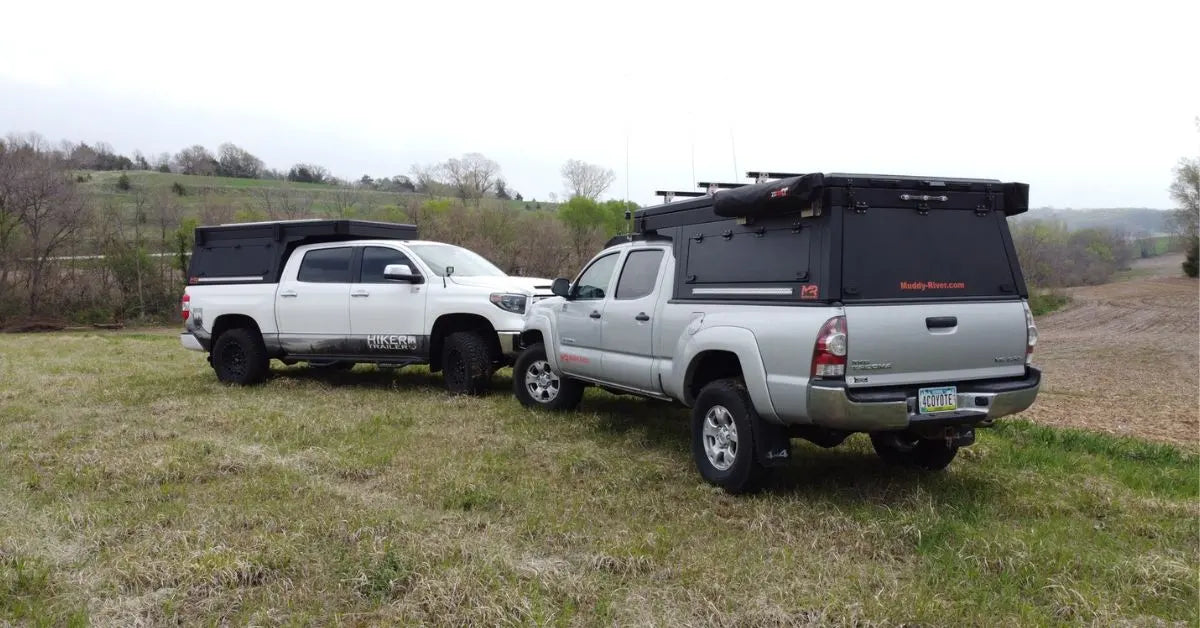
A truck topper is a rigid enclosure that mounts directly onto the bed rails of your pickup, turning the bed into a secure, weather resistant space for gear, sleeping, or built in storage. Modern toppers are commonly made from aluminum for improved strength and reduced weight.
The Eddy Topper Camper from Muddy River is an example of a modular aluminum truck topper designed for outdoorsmen. Its bolt-together system, insulated frame, and upgradeable panels allow it to function as a traditional topper or evolve into a full camper as your needs grow.
Why truck toppers are popular with serious outdoorsmen
-
Hard sided weather protection
-
Lockable storage for rifles, coolers, and expensive optics
-
Strong mounting surface for racks, solar panels, and cargo cases
-
Stable performance on rough roads
-
Ability to sleep inside the bed during storms
-
Long lifespan with minimal maintenance
A truck topper essentially turns your truck bed into a protected living and storage area that works year round.

What Is a Rooftop Tent?
A rooftop tent mounts to crossbars or a platform rack on top of your truck or SUV. It folds into a compact box while driving and expands into a full tent with a mattress when deployed. Rooftop tents gained popularity among overlanders for giving campers an elevated sleeping platform above uneven or rocky terrain.
Outdoor retailers like REI describe rooftop tents as compact, convenient shelter systems for weekend warriors who want an off ground, ventilated sleeping experience without hauling a trailer.
Why rooftop tents are appealing
-
Elevated sleeping gives great views and avoids ground moisture
-
Expands into a roomy tent with large windows
-
Excellent airflow
-
Straightforward setup for fair weather camping
-
Works on many vehicles regardless of bed size
Rooftop tents feel like traditional camping but with a mattress and a better vantage point.
Head to Head Comparison
Setup Time and Ease of Use
Truck toppers are always set up. You simply crawl into sleep. If the topper has an internal sleeping platform, you only need to unfold bedding.
Rooftop tents require unfolding the tent, extending poles, and securing rainfly components. Setup can be fast on nice days but becomes more difficult during high winds or heavy rain.
If you move camp frequently, a topper saves more time over the length of a trip.
Comfort, Space, and Living Experience
Truck toppers:
-
Provide enclosed sleeping areas that can be insulated.
-
Allow you to sit up, store gear, or change clothes depending on height.
-
Feel more like a shelter than a tent.
Rooftop tents:
-
Offer a larger sleeping footprint and more ventilation.
-
Create an enjoyable tent-like feel, elevated for views.
-
Do not offer standing room unless used with annexes.
A topper is better for harsh conditions. A rooftop tent is better for warm climates and scenic campsites.
Weather Performance and Durability
Truck toppers excel in harsh weather due to aluminum walls, sealed edges, and rigid frames. Snow, wind, and heavy rain are much easier to handle. Hard sides also insulate better than fabric.
Rooftop tents perform well in mild climates but struggle in strong wind and freezing temperatures. Fabric panels flap in storms, and condensation can build quickly. Repeated exposure to UV light reduces fabric lifespan.
If you hunt late season or camp in the Rockies, a topper wins by a wide margin.
Off Road Stability and Safety
The National Highway Traffic Safety Administration (NHTSA) notes that rollover dynamics are strongly influenced by vehicle design and loading, and adding significant weight higher up can worsen stability in uneven terrain.
Adding significant weight high on the roof increases this risk, especially on uneven off road terrain. Truck toppers keep weight low, close to the bed, improving stability.
Rooftop tents add weight high on the roof, which can affect handling in technical terrain or crosswinds.
For aggressive off road use, a topper is the safer choice.
Weight and Load Ratings (The Part Most Buyers Skip)
Before you buy anything, confirm where the weight sits and what your vehicle can safely support while driving.
If you’re considering a rooftop tent
- Check the tent’s total weight in the product specs.
- Check your vehicle’s dynamic roof rating (driving rating, not parked).
- Check your roof rack’s dynamic rating (many racks are the limiting factor).
REI’s buyer guidance is simple: verify tent weight and the dynamic capacity of both the vehicle and the rack before committing.
If you’re considering a topper
- Check your payload (door sticker) and estimate your real load: passengers + gear + water + fuel + topper/camper setup.
- Keep weight low when possible. Lower weight placement usually improves handling and stability.
A real example (Muddy River Eddy Topper Camper)
As a reference point, the Eddy Topper Camper is listed at 320 lbs with a 250 lb dynamic roof load. Your exact build will vary based on options and gear, but this gives you a real baseline to compare against.
Storage and Daily Usability
Truck toppers:
-
Provide a fully enclosed gear storage space.
-
Protect expensive equipment from theft and weather.
-
Allow you to keep the bed organized with drawers, shelves, or MOLLE panels.
Rooftop tents:
-
Offer zero storage when closed.
-
Do not secure gear.
-
Occupy your roof rack, reducing space for cargo boxes, kayaks, or bikes.
For multi purpose trucks used for both work and play, toppers are far more practical.
Cost and Long Term Value
Truck toppers require a higher initial investment but last many years with minimal maintenance. Well built aluminum toppers can exceed a decade of use if cared for.
Rooftop tents cost less initially but have shorter lifespans because fabric degrades over time from UV exposure, moisture, and regular folding. Eventually, zippers, seams, and hinges need replacement.
Over ten years, toppers generally offer better long term value.
Best Use Cases
When a Truck Topper Makes the Most Sense
-
Cold weather or four season camping
-
Hunters and anglers protecting high value gear
-
Rough roads or heavy off road use
-
Frequent movement between campsites
-
Trucks used daily for work or hauling
When a Rooftop Tent Is the Better Fit
-
Fair weather camping and weekend overlanding
-
Scenic locations where elevated views matter
-
Occasional use and lower budgets
-
Vehicles where the truck bed is needed for cargo
Why More Outdoorsmen Are Choosing Toppers in 2025
A growing number of outdoorsmen are choosing hard sided toppers because they want gear that works all year and holds up under real backcountry conditions. The shift is similar to trends seen in the outdoor industry as more people convert trucks into multipurpose vehicles that serve both weekday and weekend needs.
Weather resistance, storage, durability, and modular upgrades make toppers a long term solution rather than a seasonal piece of equipment.

How the Eddy Topper Fits Into the Decision
The Eddy Topper represents the modern direction of truck topper design. Its aluminum construction, modular panels, and bolt together architecture allow hunters and anglers to customize the topper as their style of camping evolves. It offers the durability and security that soft sided tents cannot match while staying lightweight enough for daily use.
Before You Buy: Quick Checklist
If you can’t answer these, don’t buy yet.
For rooftop tents
- What is the tent’s total weight?
- What is your vehicle’s dynamic roof rating?
- What is your rack’s dynamic rating?
- Where will you store bedding when the tent is closed?
- How will you handle wind, condensation, and cold nights?
For truck toppers
- What is your payload sticker number and your real payload after passengers and gear?
- How will you organize the bed (sleep platform, drawers, bins)?
- How will you ventilate to reduce condensation?
- What is your plan for insulation if you camp in cold weather?
- How will you mount accessories (racks, awning, solar) and keep weight balanced?
Wrap Up
A truck topper and a rooftop tent both offer incredible ways to experience the outdoors from your pickup. The right choice depends on your climate, how often you camp, and how much gear you carry.
Choose a truck topper if you want four season capability, secure storage, and reliable weather protection.
Choose a rooftop tent if you want an elevated tent experience for mild weather and shorter trips.
Your truck can take you almost anywhere. Choosing the right shelter lets you enjoy every mile.
FAQs
Are truck toppers warmer than rooftop tents?
Yes. Hard sided walls insulate better and block wind more effectively than fabric.
Do rooftop tents affect fuel economy?
Yes. They add height and weight to the roof, increasing drag.
Which lasts longer: a topper or rooftop tent?
A topper almost always lasts longer due to aluminum construction and fewer moving parts.
Is a rooftop tent safe for off road driving?
Yes, but a higher center of gravity affects handling on steep or uneven roads.
Can both setups be used in winter?
A topper can be used comfortably in winter with insulation. A rooftop tent is more challenging in freezing temperatures.
Do truck toppers reduce bed utility?
They change how the bed is accessed, but offer far better gear security and organization options.
About the Author
Content created for Muddy River Outdoors, a veteran owned American manufacturer dedicated to building durable aluminum camper toppers for hunters, anglers, and overland travelers. With more than 15 years of design and manufacturing experience, the Muddy River team builds rugged, modular systems designed to perform in real backcountry conditions.


Leave a comment
This site is protected by hCaptcha and the hCaptcha Privacy Policy and Terms of Service apply.