
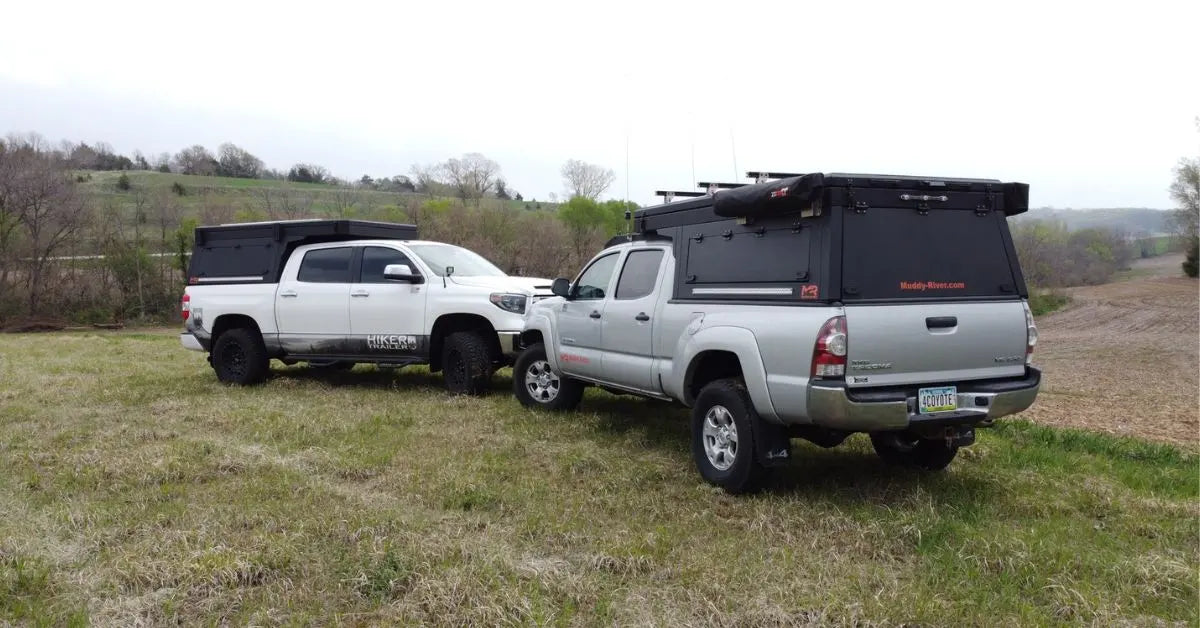
Truck camping in Texas is unlike anywhere else in the country. The state’s sheer size, varied terrain, and wide range of climates make it one of the most rewarding but demanding places to explore by pickup. From the deserts of West Texas to the pine forests of the east and the windswept Gulf Coast, Texas offers truck campers endless opportunity if they come prepared.
Because distances are long and services can be sparse, many travelers choose lightweight, self-contained setups like the Eddy Topper to stay flexible without sacrificing comfort. Whether you are new to truck camping or planning your next long haul across the state, knowing where to go, what to pack, and how to manage Texas conditions is critical.
This guide breaks down truck camping in Texas so you can travel smarter, safer, and more comfortably year round.
Quick Navigation
- Best regions for truck camping in Texas
- Texas camping options (legal + realistic)
- Texas starter itinerary ideas
- Texas pack list (heat, wind, bugs, dust)
- Beach + desert driving quick safety notes]
- FAQs
Also Read
If you want more truck camping tips and setup advice, these Muddy River guides are worth checking out:
TL;DR
Texas is an excellent state for truck camping, but preparation matters more than in many other regions. Heat management, water planning, and choosing the right camping areas are key. Lightweight truck campers with good ventilation and shade options make year-round travel far more comfortable.
Key Takeaways
-
Texas offers diverse truck camping terrain, but limited public land compared to western states
-
Heat, wind, and distance are the biggest challenges
-
Lightweight truck campers are ideal for long drives and frequent camp moves
-
Water, airflow, and shade are more important than insulation for much of the year

Why Truck Camping in Texas Is Different
Texas is massive. You can drive eight hours and still be in the same state. That scale changes how you plan truck camping trips. Fuel stops are farther apart, services are limited in remote regions, and weather conditions vary dramatically depending on where you are.
Another major difference is land access. Unlike states with large swaths of BLM land, Texas is mostly privately owned. This means truck campers must be more intentional about where they camp and how they plan routes. Self-contained truck campers shine here because they allow you to stop at established sites, private campgrounds, or permitted areas without needing hookups.
The climate also plays a huge role. Summer heat can be extreme, while winter nights in West Texas can dip below freezing. Successful truck camping in Texas depends on planning for both ends of that spectrum.
Best Regions for Truck Camping in Texas
Texas Quick Picks (Good First Stops)
Use this as a starting list. Always check current rules, road conditions, and reservations before you roll out.
| Region | Great starting areas | Best seasons | What to plan for |
|---|---|---|---|
| West Texas | Big Bend area (national + state parks nearby), Davis Mountains area | Fall, winter, spring | Long distances, limited services, big temp swings |
| Panhandle | Palo Duro Canyon area | Spring, fall | Wind, sudden weather shifts |
| Hill Country | Guadalupe River area, Pedernales Falls area, Garner area | Spring, fall, mild winters | Crowds on weekends, reservations fill fast |
| East Texas | Sam Houston National Forest area | Fall, winter, spring | Humidity, bugs, hunting seasons |
| Gulf Coast | Padre Island area, Mustang Island area | Spring, fall | Wind, salt air, storms, soft sand |
Texas offers several distinct regions that appeal to truck campers for different reasons.
West Texas and Big Bend
This region is known for dramatic desert landscapes, rugged roads, and remote campsites. Big Bend National Park and surrounding areas offer incredible scenery, but services are limited and heat management is critical.
Hill Country and Central Texas
Rolling terrain, rivers, and limestone bluffs make this region popular year round. Campsites are more developed, but weekends can be crowded.
East Texas Pine Forests
This area offers shade, humidity, and more greenery. It feels very different from the rest of the state and can be more forgiving in summer due to tree cover.
Gulf Coast
Beach camping and coastal parks attract many truck campers. Wind, salt air, and sudden storms are the main considerations here.
For official campground information, regulations, and reservations, Texas Parks and Wildlife provides a statewide overview of camping opportunities.
Where You Can Legally Camp
Because public land is limited, legality matters when truck camping in Texas.
Most legal options include:
-
State parks
-
Wildlife management areas with permits
-
Private campgrounds
-
Paid ranch or land access programs
Dispersed camping is not widely available outside of designated areas. Always confirm rules before setting up camp. Many parks require reservations, especially during peak seasons.
Being respectful and prepared helps keep access open for future campers.
Choosing the Right Truck Camper for Texas Conditions
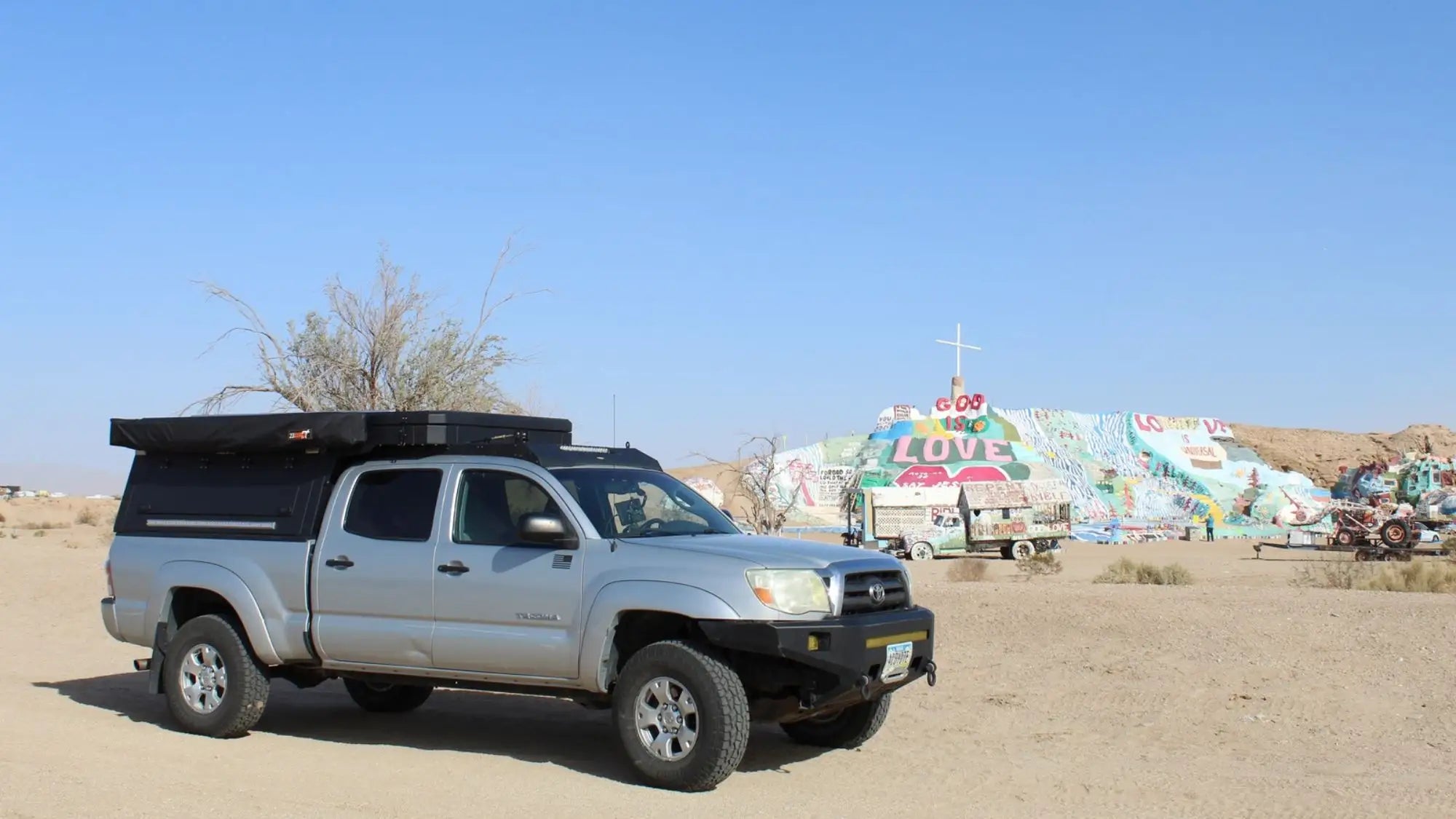
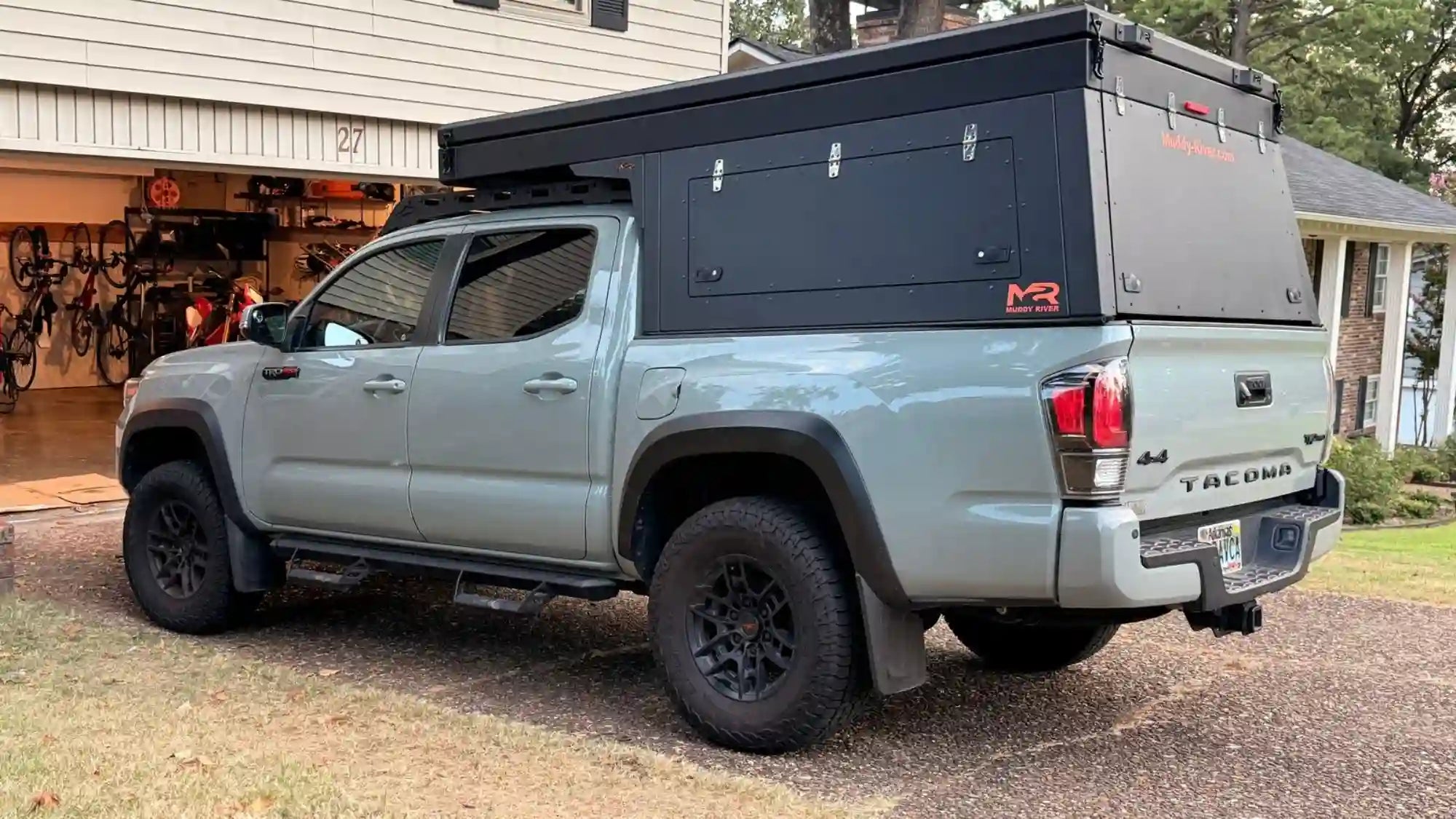
Texas rewards lightweight, low-profile truck campers. Long highway stretches and high winds make tall, heavy campers less comfortable to drive. Lightweight truck campers are easier on fuel, handle crosswinds better, and allow quicker setup at the end of long travel days.
Wedge style campers are particularly popular in Texas because they offer:
-
Fast setup in heat or storms
-
Better wind resistance
-
Lower profile for highway travel
-
Compatibility with roof racks and shade accessories
Modular campers like the Eddy Topper allow Texas travelers to start simple and add upgrades over time, making them a practical long term solution for changing conditions across the state.
What to Pack for Truck Camping in Texas
Packing for Texas requires a different mindset than mountain or forest camping.
Water and Hydration
Water is the top priority. Carry more than you think you need, especially in desert regions. Heat and wind accelerate dehydration faster than most people expect.
Heat Management Gear
Shade structures, awnings, reflective window covers, and ventilation fans are critical. Even in mild seasons, daytime heat can build quickly.
Food Storage
High temperatures demand proper food storage. Insulated coolers or 12V refrigerators perform far better than standard coolers in Texas heat.
Navigation and Communication
Cell service can be unreliable in remote regions. Offline maps, paper backups, and emergency communication devices add peace of mind.

Staying Comfortable in Hot Texas Weather
Heat is the biggest challenge for truck camping in Texas. Comfort depends on airflow, timing, and campsite selection.
Good ventilation is essential. Roof vents and cross-breeze windows allow hot air to escape while pulling cooler air inside. Parking orientation matters too. Shade from trees or terrain can significantly reduce interior temperatures.
Sleep comfort improves when you camp at higher elevations, near water, or travel early and late in the day rather than midday.
For official heat safety guidance and warning signs to watch for, the CDC provides clear recommendations here.
Cold Weather and Shoulder Season Camping
While Texas is known for heat, winter surprises many campers. Overnight temperatures in West Texas and the Panhandle can drop sharply.
Lightweight truck campers with hard panels and controlled ventilation handle these swings better than fabric-heavy setups. Simple insulation, quality bedding, and wind protection go a long way toward comfort during shoulder seasons.
Planning for both heat and cold ensures your setup works year round.
Safety Considerations for Remote Texas Travel
Texas distances demand respect. Fuel up whenever possible and never assume the next station is open.
Watch for wildlife and livestock, especially at night. Carry basic recovery gear, first aid supplies, and emergency water.
A well planned route and conservative driving go a long way toward safe truck camping across the state.
Beach + Desert Driving Quick Safety Notes
Beach driving (Gulf Coast)
Beach conditions change fast with tides and weather. Before you drive onto sand:
- Air down your tires (soft sand is the #1 reason trucks get stuck)
- Bring traction boards + a shovel
- Don’t follow ruts into the soft stuff if you can’t see a firm exit
- If the sand feels “powdery,” stop early and walk it first
Desert travel (West Texas)
The risk in West Texas isn’t just heat—it’s distance.
- Fuel up whenever you can
- Don’t count on cell service
- Carry extra water and a basic first-aid kit
- Avoid driving unknown dirt roads late in the day (getting stuck at dusk is a bad time)
Wrap Up
Truck camping in Texas offers freedom on a massive scale. Few places allow you to explore deserts, forests, rivers, and coastline in a single state. That freedom comes with responsibility and preparation.
Lightweight truck campers make Texas travel easier by reducing fatigue, improving handling, and allowing quick, flexible camp setups. With smart packing, proper ventilation, and realistic planning, truck camping in Texas can be comfortable and rewarding in every season.
FAQs
Is truck camping legal in Texas?
Yes, but you usually need to camp in state parks, national parks, national forest areas, WMAs that allow camping, or private land options. Texas has less open public land than many western states, so planning matters.
What is the best time of year for truck camping in Texas?
Spring and fall are the easiest for most people. Winter can be great in many areas. Summer is doable, but you need shade, airflow, and a serious water plan.
How much water should I bring for truck camping in Texas?
Start with at least one gallon per person per day, then add extra for heat and emergencies—especially in West Texas.
Can you camp on Texas beaches with a truck?
Some beaches allow vehicle access and camping, but rules and conditions vary. Soft sand, tides, and storms can change the situation quickly—check the specific beach rules before you go.
Are Wildlife Management Areas (WMAs) good for truck camping?
Sometimes, but many WMAs have stricter rules than people expect. Always read the rules for the exact WMA you’re visiting before you camp or build a fire.
What’s the biggest mistake people make truck camping in Texas?
Underestimating distance and heat. Running low on water or fuel is the fastest way to turn a fun trip into a stressful one.
Is a rooftop tent or a truck topper better for Texas?
If you’re traveling long distances and dealing with wind, a lower-profile truck topper setup is usually easier to live with. Rooftop tents can be great in mild weather, but wind and heat management matter.
Do I need 4WD for truck camping in Texas?
Not always. Many great campsites are accessible with 2WD. But for beach sand, remote dirt roads, or post-rain conditions, 4WD and recovery gear are a big advantage.
About the Author
This article was created for Muddy River Manufacturing, a veteran owned company focused on building modular aluminum truck campers for real world use. With over 15 years of manufacturing and design experience, Muddy River builds gear for hunters, anglers, and truck campers who demand durability, flexibility, and comfort wherever the road leads.

Leave a comment
This site is protected by hCaptcha and the hCaptcha Privacy Policy and Terms of Service apply.