
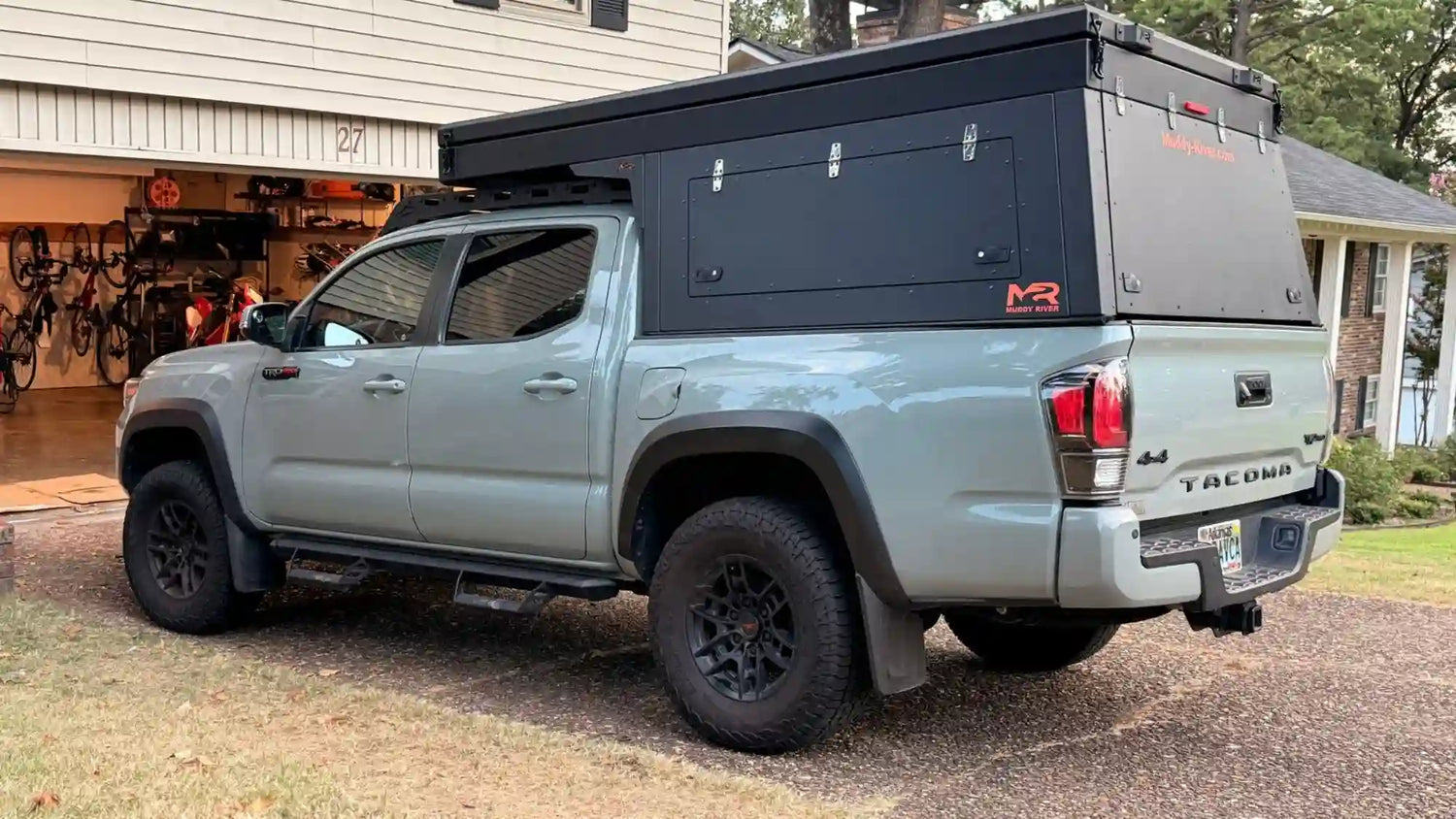
Truck based camping has become one of the fastest growing segments in outdoor recreation. Hunters, anglers, overlanders, and weekend explorers are all looking for ways to travel farther, stay longer, and camp more comfortably without giving up the flexibility of a daily driven pickup. That demand has pushed lightweight truck bed campers into the spotlight.
Instead of heavy slide in campers or dedicated RVs, many buyers are turning to modular toppers and wedge style campers that balance durability, comfort, and weight. Options like the Eddy Topper show how a lightweight camper can still deliver serious performance without overloading your truck.
Before you buy, it is important to understand what actually makes a camper lightweight and how that affects safety, comfort, and long term ownership. This buying checklist walks you through every major factor to consider so you can invest with confidence.
Also Read
TL;DR
Lightweight truck bed campers are designed to stay within your truck’s payload limits while still providing shelter, storage, and sleeping space. Focus on verified weight ratings, aluminum construction, simple setup mechanisms, roof load capability, and modular designs. Always match the camper to your truck and your real world travel style.
Key Takeaways
-
Lightweight truck bed campers must stay within your truck’s payload capacity, not towing capacity
-
Aluminum construction offers the best balance of weight, strength, and longevity
-
Simpler designs with fewer moving parts last longer and require less maintenance
-
Roof load ratings matter if you plan to run racks, solar panels, or gear boxes
-
Modular campers provide better long term value than fixed designs
Lightweight Truck Bed Camper Buying Checklist
Weight + Fit
- What is the verified base weight of the camper (not “starting at”)?
- What is the installed weight with the exact options I want (rack, awning, fan, etc.)?
- What is my truck’s payload sticker number, and what is my real payload after passengers + gear?
- Does the camper fit my bed length and bed rail height without gaps or tailgate issues?
- How does it mount—clamps, bolts, rails—and what prevents shifting off-road?
Materials + Build
6) Is the frame and skin all aluminum, or is it mixed with wood/composite?
7) What parts are replaceable if I damage a panel or hinge?
8) Are seals and hardware standard sizes I can source later?
Setup + Weather
9) How long is real setup time—from parked to sleeping?
10) What is the wind and rain performance like (wedge usually wins here)?
11) What is the plan for condensation (venting + airflow)?
Roof Load + Accessories
12) What is the roof’s dynamic load rating (driving) and static load rating (parked)?
13) Can I add racks, solar, or an awning without drilling through critical structure?
Ownership + Support
14) What does warranty cover on fabric, seals, struts/hinges, and what’s excluded?
15) Can I get replacement parts in 2–5 years, and how fast do they ship?

What Counts as a Lightweight Truck Bed Camper
A lightweight truck bed camper is typically defined as a camper system that sits in the truck bed and stays well below the vehicle’s payload limit, even after adding gear, water, and passengers. Unlike traditional slide in campers that can weigh thousands of pounds, lightweight campers often range from 300 to 900 pounds depending on materials and configuration.
Lightweight campers usually fall into three categories:
-
Fixed toppers with sleeping platforms
-
Wedge style pop up campers
-
Soft sided pop up camper shells
Understanding weight ratings is critical. Payload capacity is the maximum weight your truck can safely carry, including the camper, occupants, gear, fuel, and accessories. This is different from towing capacity, which does not apply to truck bed campers. For a clear explanation of payload ratings and why they matter, Edmunds provides a helpful overview here.
Ignoring payload limits leads to poor handling, excessive wear, and safety risks. A truly lightweight truck bed camper works with your truck, not against it.
Know Your Truck’s Limits Before Shopping
Before comparing camper brands or layouts, start with your truck. Open the driver side door and check the payload sticker. That number tells you how much weight the truck can safely carry in the bed and cab combined.
Key factors to consider include:
-
Payload rating
-
Bed length and width
-
Cab configuration
-
Suspension condition
-
Tire load rating
A midsize truck like a Tacoma may have a payload under 1,400 pounds, while a half ton truck like an F150 or Silverado may offer closer to 1,800 pounds depending on configuration. Remember that aftermarket bumpers, winches, and larger tires all reduce available payload.
A lightweight camper gives you more margin for gear, water, and accessories without pushing the truck beyond its limits.
Quick Payload Math (60 Seconds)
Open your driver door and find the payload sticker. Now do this quick math:
Payload sticker – passengers – dogs – cooler + tools + recovery gear – water – camper = margin
If your margin is near zero, your “lightweight” camper isn’t actually lightweight for your setup. A little margin makes driving safer, braking smoother, and off-road handling more predictable.
Construction Materials Checklist
Materials play a major role in both weight and durability.
Aluminum
Aluminum is the gold standard for lightweight truck bed campers. It offers excellent strength to weight ratio, corrosion resistance, and long term durability. Aluminum panels and frames also allow modular designs where individual sections can be replaced or upgraded.
Composite and Fiberglass
Composite and fiberglass campers can be lightweight, but they often sacrifice repairability. Cracks and damage can be difficult to fix in the field, and repairs are usually more expensive than aluminum panel replacement.
For buyers planning to keep a camper long term and use it off pavement, aluminum construction offers the best balance of weight and lifespan.

Camper Design and Setup Style
Design matters as much as materials.
Wedge Style Campers
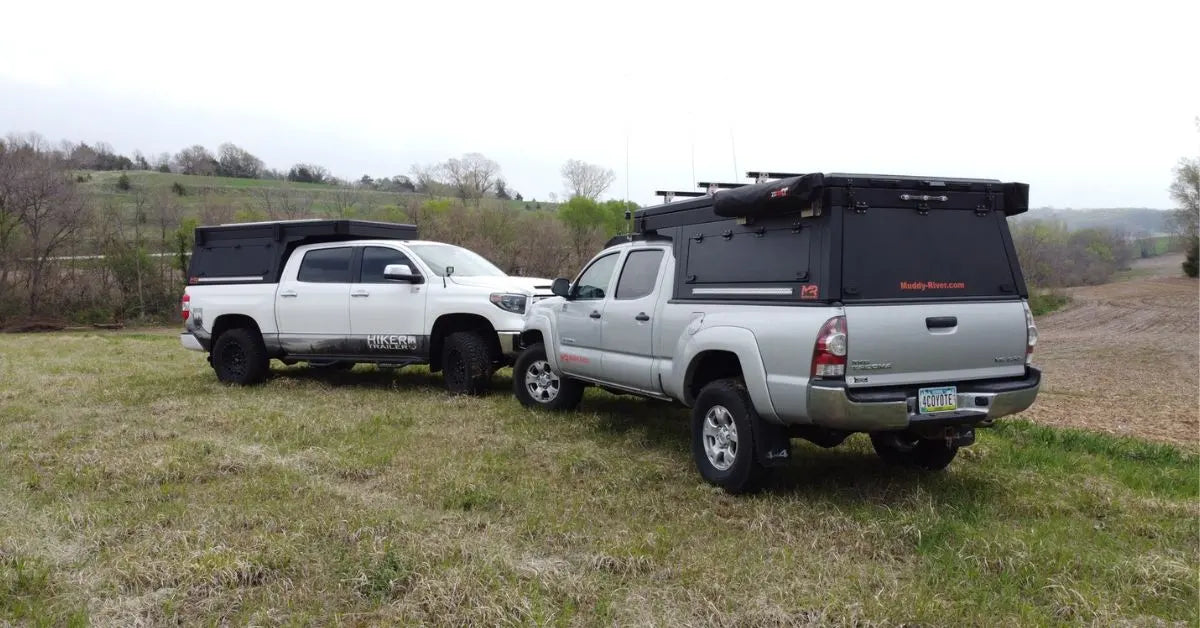
Wedge campers use a sloped roof that lifts at one end. This design is simple, fast to deploy, and very stable in the wind. Fewer moving parts means less maintenance and fewer failure points over time.
Full Pop Up Camper Shells
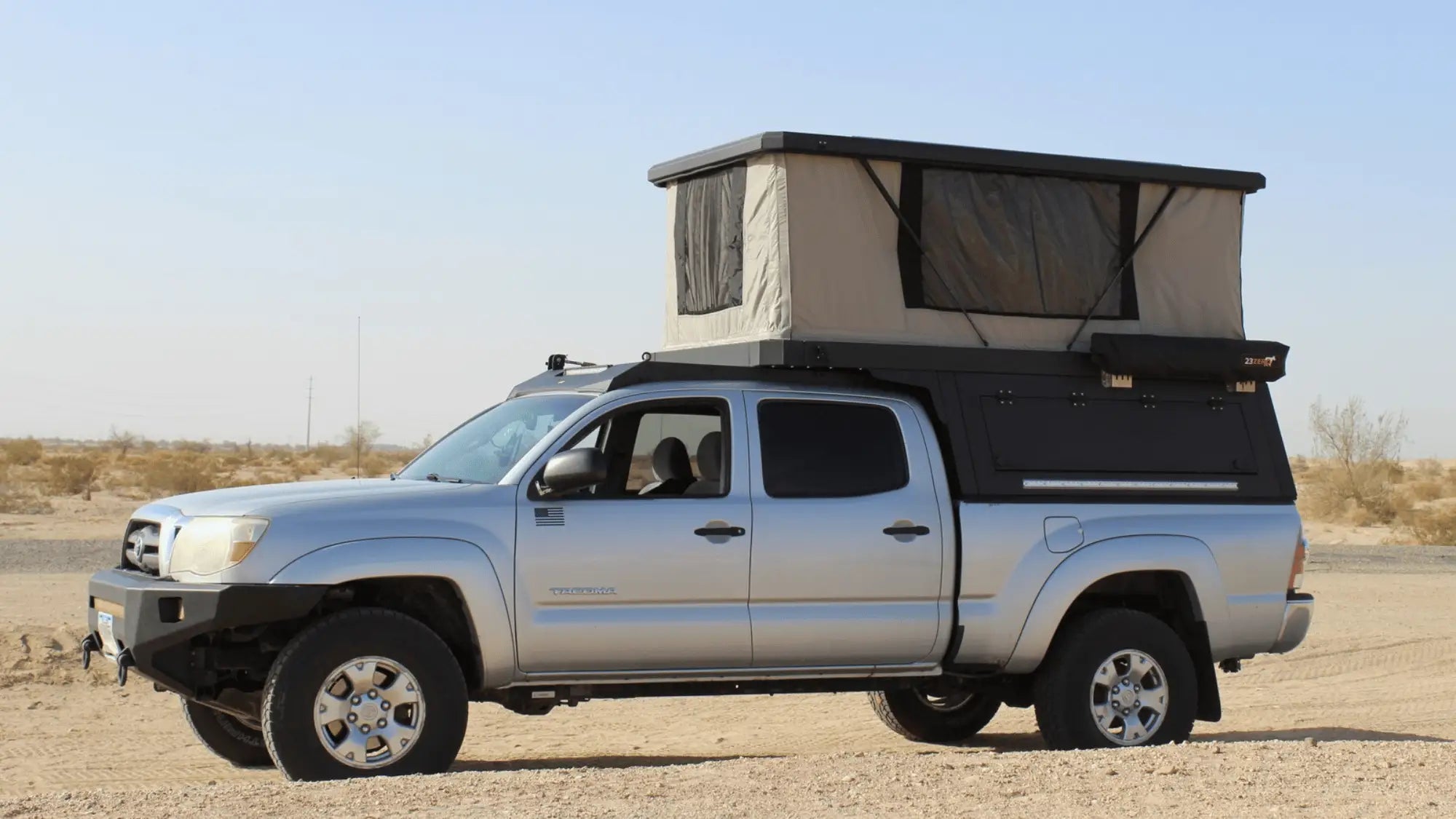
Pop up camper shells lift the entire roof, creating more interior headroom. They are comfortable for extended stays but rely on fabric walls and more hardware, which adds complexity and maintenance.
If your trips involve frequent movement, changing weather, or cold temperatures, wedge style campers tend to perform better long term.
Interior Comfort Without Added Weight
A lightweight camper does not need to feel spartan.
Look for efficient interior design that provides comfort without excess material:
-
Elevated sleeping platforms with quality mattresses
-
Roof vents or powered fans for condensation control
-
Smart storage solutions that keep gear accessible
-
Insulated panels where it matters most
Condensation management is especially important. Even lightweight campers benefit from proper ventilation to prevent moisture buildup during cold nights.
Roof Load and Accessory Compatibility
Many buyers overlook roof load ratings until after purchase. This can be a costly mistake.
If you plan to mount any of the following, verify roof capacity:
-
Roof racks
-
Solar panels
-
Cargo boxes
-
Awning systems
Some lightweight campers are not designed to carry dynamic roof loads while driving. Others support substantial static and dynamic loads. Modular aluminum systems often excel here.
The Eddy Topper, for example, is designed to support accessories and upgrades over time, making it easier to build out a full adventure setup without replacing the camper later.
Climate and Weather Performance
Lightweight does not mean fragile. A well designed camper should handle real weather.
Hard sided campers perform better in:
-
High winds
-
Snow loads
-
Cold temperatures
-
Heavy rain
Soft sided campers offer more airflow but less insulation and wind resistance. Your climate and camping season should influence your decision.
Regardless of camper type, responsible camping practices matter. The Leave No Trace Center for Outdoor Ethics outlines principles that apply to all campers and help protect public lands.
Cost vs Long Term Value
Entry price is only part of the equation.
Lightweight campers with aluminum construction and modular designs often cost more upfront but last longer and hold value better. Fabric replacement, seam repairs, and structural fatigue can add cost over time for cheaper systems.
Ask yourself:
-
Can this camper grow with my needs
-
Are parts replaceable
-
Will it still work for me in five or ten years
Buying once and buying right usually costs less in the long run.
Who Lightweight Truck Bed Campers Are Best For
Lightweight truck bed campers are ideal for:
-
Hunters and anglers who move camp often
-
Overlanders exploring remote terrain
-
Daily drivers who need removable or low profile setups
-
Contractors and outdoor professionals with dual use trucks
They offer flexibility without committing your truck to a single purpose.
Wrap Up
Buying a lightweight truck bed camper is about more than saving weight. It is about choosing a system that works with your truck, your climate, and your style of travel.
By using this checklist and focusing on verified weights, durable materials, simple designs, and modular capability, you can avoid common mistakes and build a camper setup that supports years of adventure.
Start with your truck. Be honest about how you camp. Then choose a camper that fits those realities instead of marketing hype.
FAQs
What is considered lightweight for a truck bed camper?
Most lightweight truck bed campers weigh between 300 and 900 pounds depending on design and materials.
Can lightweight campers handle winter camping?
Yes, especially hard sided aluminum campers with proper insulation and ventilation.
Do lightweight campers require suspension upgrades?
Not always, but suspension upgrades may help if you regularly carry heavy gear or travel off road.
Are lightweight campers safe for off road travel?
When properly mounted and within payload limits, lightweight campers are well suited for off road use.
How long do aluminum truck campers last?
With basic maintenance, aluminum campers can last decades and are easier to repair than composite alternatives.
About the Author
This article was created for Muddy River Manufacturing, a veteran owned company focused on building modular, aluminum truck bed campers for real world use. With over 15 years of manufacturing and design experience, Muddy River builds gear for hunters, anglers, and overlanders who demand durability, flexibility, and long term value from their equipment.

Leave a comment
This site is protected by hCaptcha and the hCaptcha Privacy Policy and Terms of Service apply.